

Table of contents of the article:
Yesterday, June 2, approximately at about 20:50 we were literally besieged by at least thirty phone calls complaining of inefficiencies and server down. After a very short check we found that all the machines were up, all the services reachable and usable and that there was no routing problem.
All these users had simply seen the number of visitors die on Google Analytics and from that they thought there was a down without even bothering to try to browse the site.
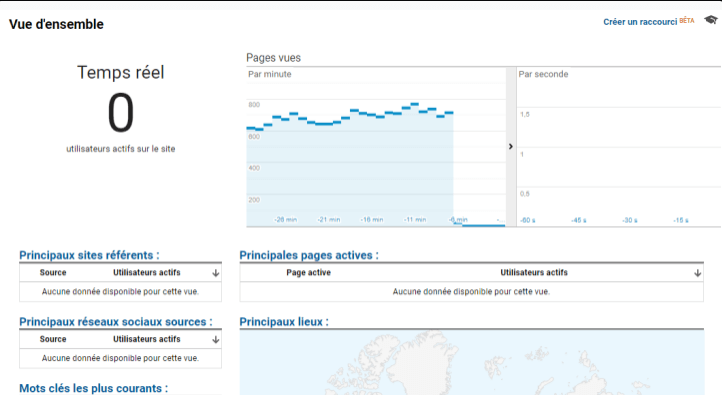
Looking a bit on Italian Facebook groups such as SEO Facts, AdSense Facts and so on, we immediately noticed many messages complaining of the exact same problem, Google Analytics was down globally for several minutes now.
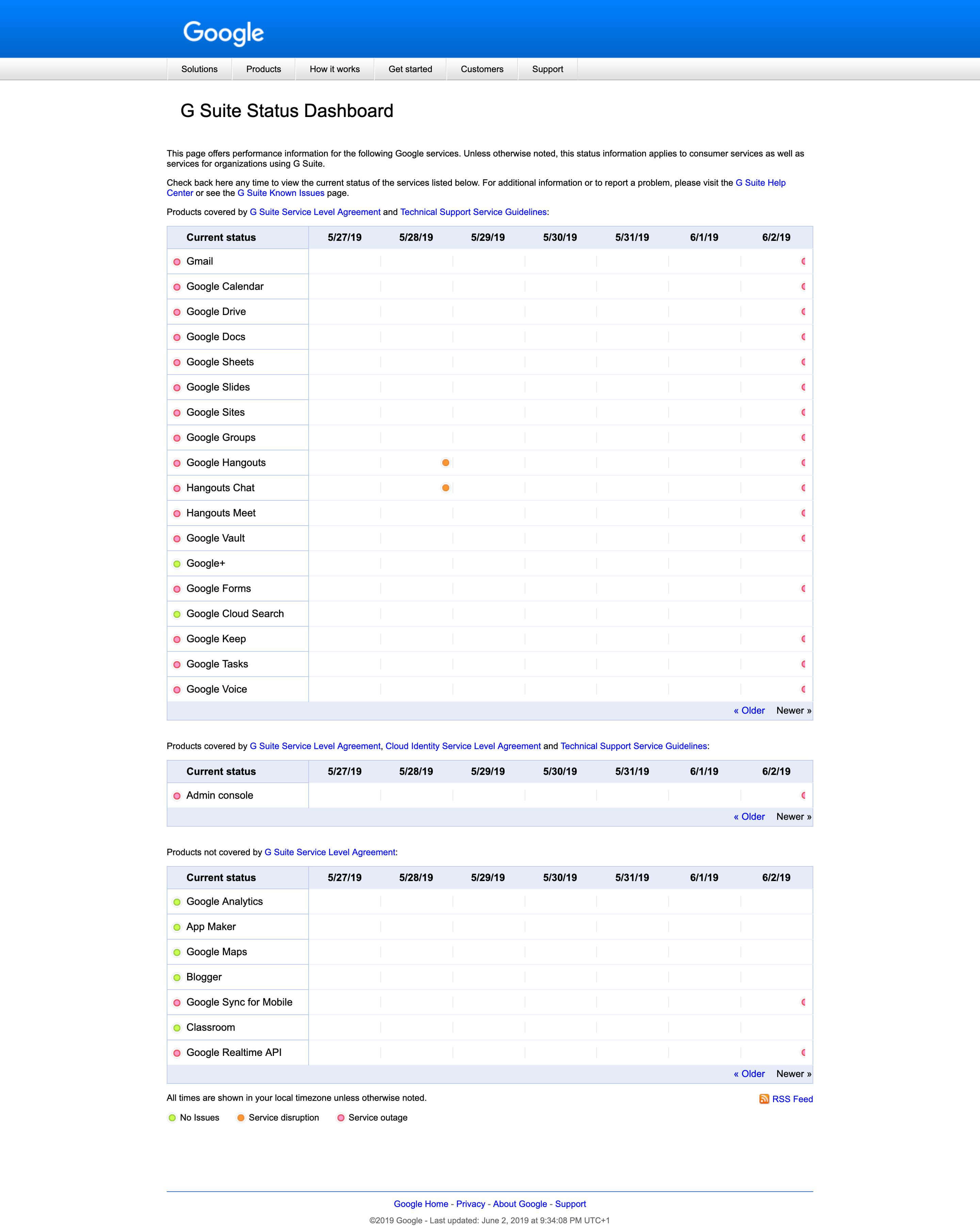
With the passing of the minutes, however, more complaints came from users who complained of problems at the level of Cloud Computing, Cloud instances to be clear and gradually also other services such as Gsuite and other Google services which you can see in the image below.
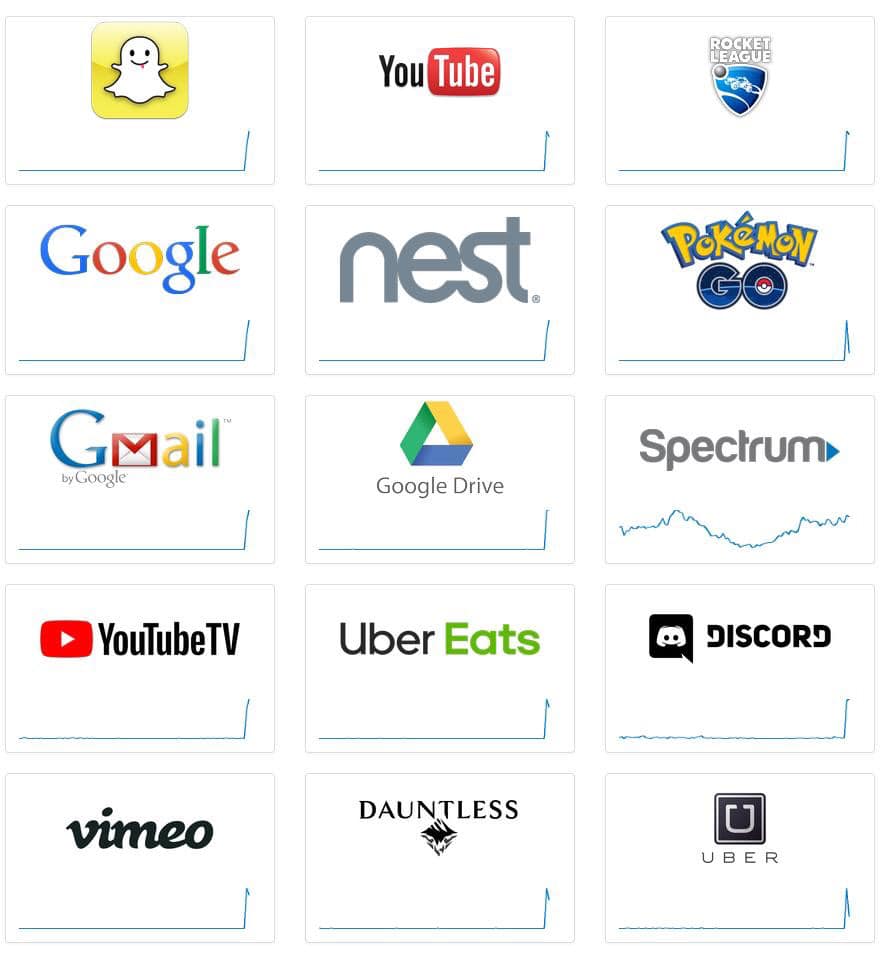
Not just Google but their customers as well
If the problem were limited solely and exclusively to Google (Google) services, one could also be patient considering that at most he will probably stay a few hours without his services but Google does much more with his Google Cloud.
Specifically, Google through Google Cloud computing allows you to allocate resources such as storage, IP, instances of VPS virtual machines and to be able to take advantage of the computing and storage power to offer services in the same way as it could do. Amazon AWS or Microsoft Azure.
Among their customers there are very important realities, big and very popular online brands that have gone irremediably down after this unexpected event last night which, however serious it may seem, is still rather singular and absolutely sporadic.
The causes of the downtime of Google and Google Cloud
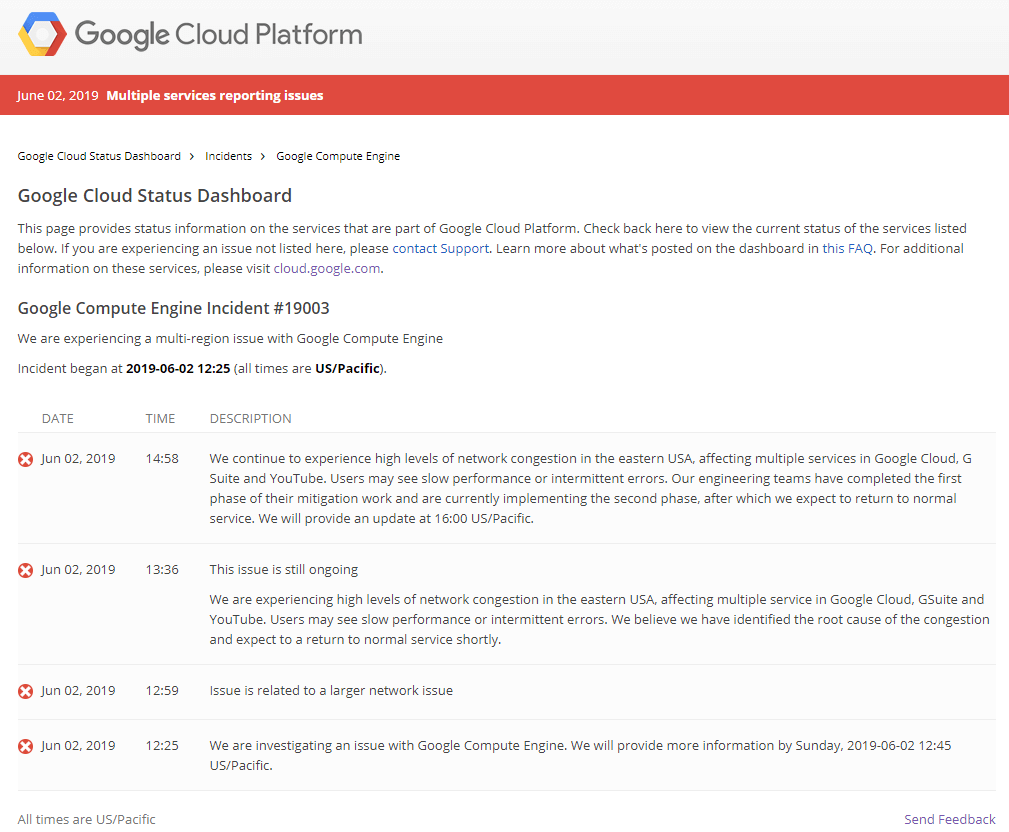
The causes of the Google down are not yet known. Officially Google in its Google Cloud Status Dashboard reports that there are "Network congestions" in the Eastern part of the USA, a rather curious affirmation given that Google as we know is not the last of the internet service providers, but it has bandwidth of truly remarkable proportions to be able to "congest" so quickly.
However, online and especially on Twitter, there are those who already hypothesize a hacker attack against Google as retaliation by China after Google has banned Huawei from continuing to collaborate in the sale of Android rather popular news of the last few weeks.
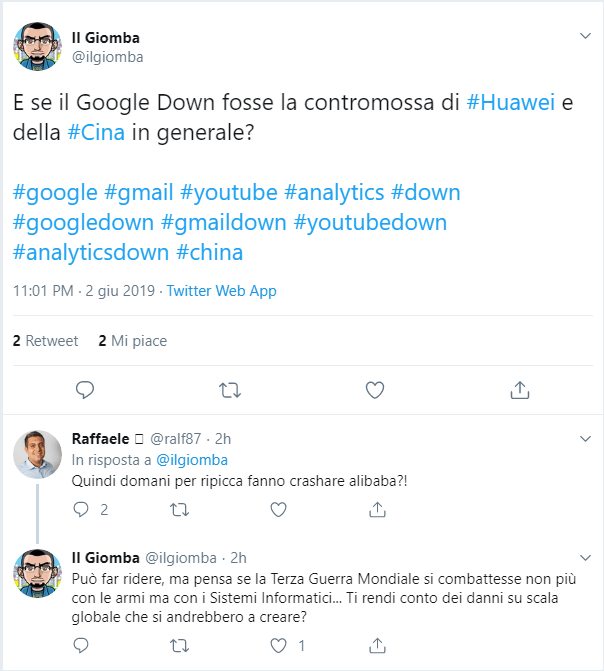
Of course, read in this light it could only and exclusively be a conspiracy consideration without any practical feedback, but nevertheless it could also not be wrong given the reasons described above regarding this phantom network congestion. For now at 1:57 Italian we remain with the benefit of the doubt certain to be able to update this article tomorrow morning.
No one will ever be fired for choosing Google Cloud.
Although such a down can cause damage for hundreds of millions of dollars per hour, it is clear that at a managerial level, choosing a very large player means what is called in technical jargon. make the choice of the market. That is, to choose the solution that the market would have chosen, placing total trust in it. Put simply, no director of a company can in any way be blamed for having chosen a partner like Google although that down may have cost considerable amounts.
Otherwise, if a director had chosen a more modest player, he would have risked having to justify his choice and the consequences of his choices other than those of the market.
To be clear with a practical example, a 30-minute down by our company would be perceived at the top of a large company as more serious than a 4-hour down by a large company such as Google, Amazon or Microsoft.
Precisely according to this, big companies continue to make market choices, although it is increasingly clear that the Cloud is not the panacea for all ills, the networks of these big players are still sensitive to technical problems and 100% uptime does not exist and perhaps will never exist.
